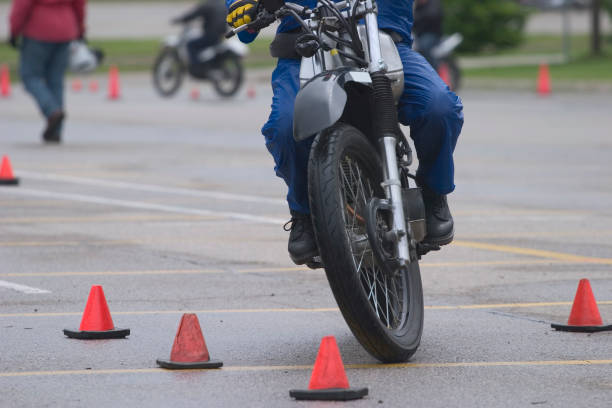
Rider Training
Training supports hazard awareness, defensive riding, better decisions and safer behaviour across different road conditions.
OverviewMotorcycle safety depends on rider awareness, road design, training, infrastructure, visibility and shared-road behaviour. This page explains the safety themes inside the Motorcycle Framework.
This page keeps the motorcycle safety content focused on practical factors that affect riders, other road users and transport policy decisions.
Training supports hazard awareness, defensive riding, better decisions and safer behaviour across different road conditions.
Overview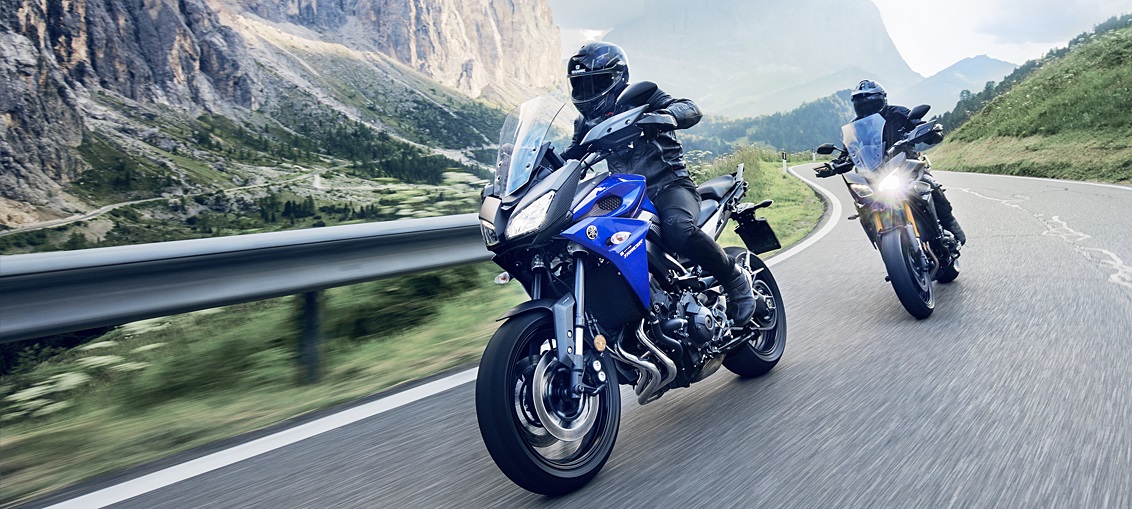
Road surfaces, junctions, signs, lane design and parking all affect how safely motorcycles move through the network.
Framework
Policy support helps align transport planning, safety education, enforcement and infrastructure decisions.
Contact
Motorcycle safety is not only about individual rider behaviour. It also depends on how roads are designed, how policies are written, how other road users understand motorcycle vulnerability and how training is supported over time.
The Motorcycle Framework positions safety as a practical theme that should be considered alongside infrastructure, transport policy and mobility planning.
Motorcycles share space with cars, vans, buses, cyclists and pedestrians, so awareness across all road users matters.
Drain covers, potholes, road markings, debris and poor surfaces can create higher risk for two-wheeled road users.

Safety outcomes improve when guidance, infrastructure, training and policy direction are treated as connected issues.
“A clear safety-focused resource for motorcycle policy and rider awareness.”
Mark J.“Helpful coverage of road safety, training and infrastructure concerns.”
Claire F.“Useful motorcycle safety guidance within a wider transport framework.”
Neil S.Motorcycle Safety & Transport Policy Framework
1 Rye Hill Office Park
Birmingham Road
Allesley, Coventry
CV5 9AB
United Kingdom
Telephone: (024) 76 408 000
Use the contact page for motorcycle safety, road safety and transport policy enquiries.
Main motorcycle safety themes include rider awareness, training, visibility, road surface quality, junction risk, speed management and interaction with other road users.
Infrastructure affects motorcycle safety through road surface condition, junction design, visibility, parking, route planning and how motorcycles interact with other traffic.
Rider training supports safer decisions, better hazard awareness, improved control skills and a stronger safety culture.