Road Safety
Safety policy should consider rider visibility, junction risk, road user behaviour, speed, road surfaces and shared-road awareness.
Motorcycle safetyThe framework connects motorcycle safety, road safety, infrastructure, rider training, policy planning and practical mobility themes into a clear structure for the United Kingdom.

This page outlines the main framework pillars that help explain the role of motorcycles in transport planning, safety outcomes and practical road use.
Safety policy should consider rider visibility, junction risk, road user behaviour, speed, road surfaces and shared-road awareness.
Motorcycle safety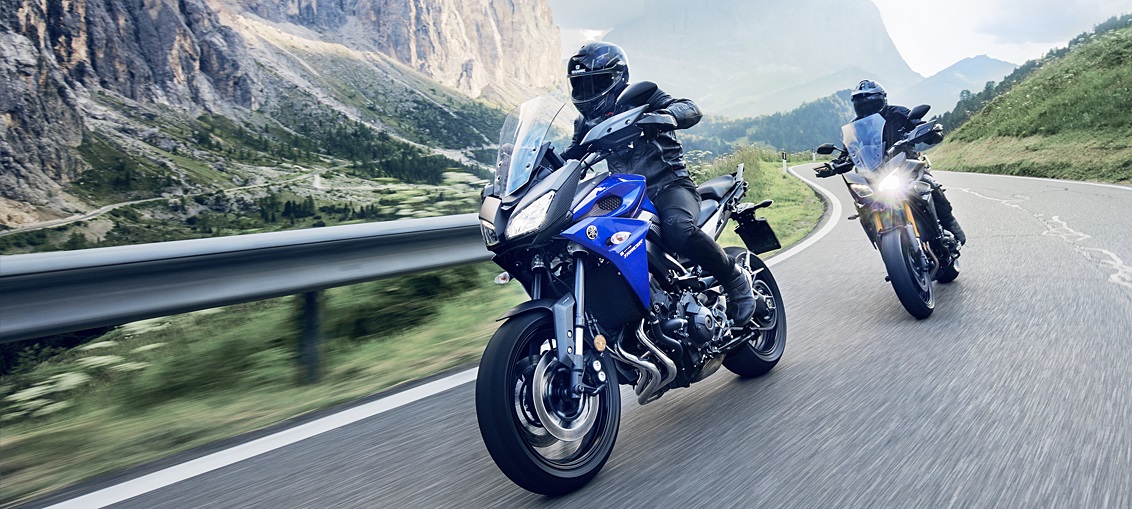
Infrastructure affects route choice, parking, road quality, traffic flow and safer integration with other transport modes.
Overview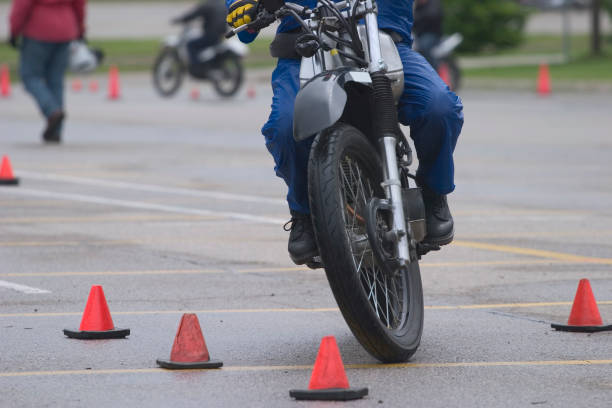
Training and education help riders improve decision-making, hazard awareness and long-term safety culture.
Contact
Motorcycle policy can become fragmented when safety, training, infrastructure and mobility are treated separately. The Motorcycle Framework gives these areas a clearer structure, helping readers move from background context into practical themes.
For 2026, the restored website keeps the framework clean, easy to crawl and easy to navigate. Each page supports a specific intent, and this page acts as the central pillar for the full policy framework.
Road safety outcomes improve when riders, drivers, planners and policy makers understand shared risks and responsibilities.
Transport planning can recognise motorcycles as part of the network instead of treating them as an afterthought.

Framework pages help coordinate themes, evidence, contact details and practical next steps for readers.
“The framework page gives a practical structure for motorcycle safety policy.”
Andrew L.“Clear themes around training, infrastructure and road safety.”
Rachel T.“Useful framework thinking for safer motorcycling and transport planning.”
Simon B.The framework includes motorcycle safety, road safety policy, infrastructure planning, rider training, education and practical transport solution themes.
Infrastructure affects rider safety, route choice, visibility, road surface quality, junction risk, parking and how motorcycles interact with other road users.
Training supports safer rider behaviour, better awareness, improved decision-making and a stronger motorcycle safety culture.